
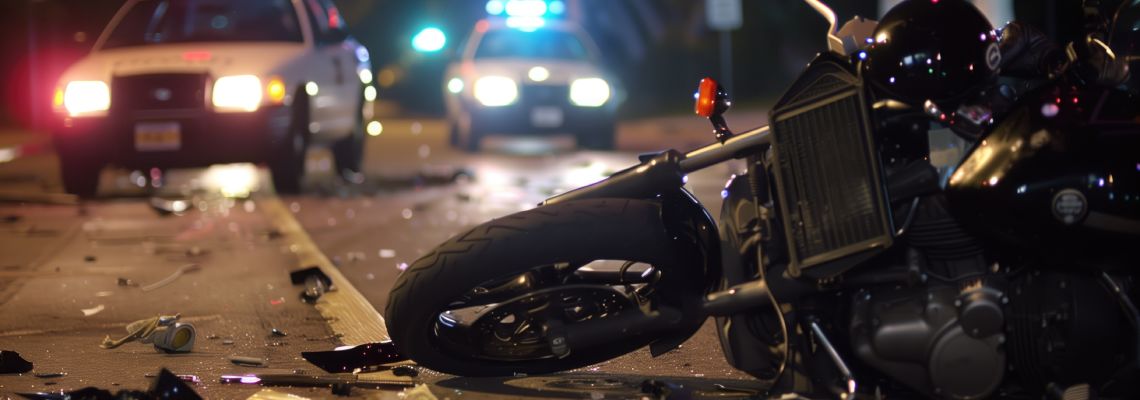
Common Myths About Motorcycle Accident Liability
After a motorcycle crash, people often hear the same claim: The rider is probably at fault. That is a myth.
In Michigan and Ohio, motorcycle accident liability depends on the facts, the traffic laws, and the evidence, not on the vehicle someone was riding. That said, a rider’s own actions can still affect a claim, especially if speed, lane use, visibility, or helmet issues become part of the dispute.
At Ronald S. Weiss, Attorney & Counselor, we help injured people in West Bloomfield, Michigan, and Toledo, Ohio sort out what actually matters after a collision. If you are trying to figure out whether a driver, rider, or both may be legally responsible, a free consultation can help you understand the next step before you deal with insurers on incomplete information.
Myth: The Motorcyclist Is Usually Automatically at Fault
A motorcycle rider is not automatically liable just because motorcycles are smaller, faster, or seen as riskier. Fault is based on conduct. The key question is who acted negligently, meaning who failed to use reasonable care and caused the crash.
In many cases, the other driver causes the collision by turning left in front of the motorcycle, changing lanes without checking blind spots, following too closely, opening a door into traffic, or pulling out from a side street without yielding. Those are common crash patterns because motorcycles are easier to overlook, but “hard to see” does not excuse a driver who failed to look carefully enough.
This matters in practice because insurers may start with assumptions about riders. If the evidence shows the driver violated the rules of the road, those assumptions should not control the claim.
Myth: If You Were Speeding, You Cannot Recover Compensation
Speeding can hurt a case, but it does not automatically end it. Michigan and Ohio both use comparative fault rules, which means an injured person may still recover damages if someone else also contributed to the crash, though the recovery can be reduced by that person’s share of fault.
In Michigan, the effect of comparative fault depends in part on the type of damages being sought. Under Michigan’s comparative fault rule, a person’s damages can be reduced by their percentage of fault, and noneconomic damages may be barred if the person is more than 50% at fault. In Ohio, the state’s comparative negligence law generally bars recovery only if the injured person is more than 50% responsible.
What that means for you is simple: an insurer may point to speed, but that is only one part of the liability analysis. The full picture may still show that another driver failed to yield, made an unsafe turn, or changed lanes carelessly.
Myth: Not Wearing a Helmet Means You Lose the Case
Helmet use can become an issue, but it does not automatically decide liability. The first question in most cases is still who caused the crash.
Michigan and Ohio both have motorcycle helmet laws with exceptions and conditions, and those rules are different. A helmet issue may affect arguments about injuries, particularly head injuries, but it does not automatically prove the rider caused the collision.
A driver who runs a red light or turns across a rider’s path does not avoid liability simply because the rider was not wearing a helmet. This distinction matters because liability and damages are related but not identical. One issue is who caused the wreck.
Another is whether certain injuries were made worse by what happened afterward or by safety-equipment choices. Insurers sometimes blur those issues together. We work to separate them.
Myth: Lane Splitting Always Decides Fault
People often assume lane splitting settles the case on the spot. In reality, you still have to examine what happened and where it happened.
Michigan generally does not permit lane splitting in the way riders and drivers often mean the term, and Ohio also does not recognize it as a normal lawful riding practice. But even if a rider was operating in an unsafe or unlawful way, that does not automatically mean the other driver bears no responsibility.
A driver may still have been distracted, may have drifted across lanes, or may have made an unsafe maneuver at the same time. The practical point is that one traffic violation does not always answer the entire liability question. Insurance companies may treat it that way. Courts and juries do not have to.
Myth: The Police Report Settles Liability
A police report can be important, but it is not the final word. Officers document the scene, statements, road conditions, vehicle positions, and sometimes traffic citations. That information can help. Still, the report is based on what was available at the time, and it may not include every witness, camera angle, or medical detail.
A liability dispute may also involve:
witness statements gathered later,
traffic or business surveillance footage,
vehicle damage patterns,
crash reconstruction,
phone records in distraction cases, and
medical evidence connecting the injuries to the collision.
That is one reason many injured riders benefit from early review of the facts. In serious personal injury cases, the evidence that matters most is not always fully captured in the first report.
Myth: If the Rider Was Injured More Seriously, the Rider Must Have Been Careless
Motorcyclists often suffer more severe injuries because they have less physical protection than people in passenger vehicles. That does not mean the rider was careless. It usually means the rider’s body absorbed more of the impact.
This is a common misunderstanding in liability disputes. A driver in an SUV may walk away with minor injuries while the rider faces fractures, surgery, or a long recovery. The difference in injuries says more about exposure and vulnerability than fault.
For a claim, that means injury severity should not be treated as proof of negligence. The legal question remains whether someone failed to use reasonable care and caused the crash.
Myth: Insurance Will Sort It Out Fairly on Its Own
Insurance companies investigate claims, but they do not decide liability in a neutral way. They evaluate cases from a financial and defense perspective. When a motorcycle is involved, bias can show up early in recorded statements, fault allocations, and settlement positions.
That is especially important in Michigan, where no-fault rules can make motorcycle injury claims more complicated than many people expect. Motorcycles are generally not treated as no-fault vehicles in the same way as cars, but an injured motorcyclist may still be eligible for personal protection insurance benefits in some circumstances involving a motor vehicle. The liability side of the case is separate from those benefit questions, and the details matter.
In Ohio, fault-based injury claims also turn heavily on evidence, insurance coverage, and how comparative negligence is argued. In either state, accepting an early version of events can make it harder to correct the record later.
Top-Tier Personal Injury Services in Michigan & Ohio
We have represented Michigan accident victims since 1967, originally through Gerald’s work, and expanded our practice in 1993 when Ron joined with a focus on personal injury and Lemon Law matters. As our firm grew, we expanded into Ohio as well. Together, we bring two generations of legal knowledge to cases involving auto accidents and dog bites, and we also assist clients with faulty new vehicles.
For someone dealing with a motorcycle accident liability dispute, that experience helps us look closely at how the crash happened, what the insurer is claiming, and what evidence may support or weaken a fault argument. We can help you understand whether comparative fault may affect your case, what records to gather, and how injury and insurance issues may intersect.
As a boutique firm, we give clients direct, personalized attention instead of treating cases like files to move along. If you need guidance from a team providing West Bloomfield motorcycle accident representation and Toledo injury matters, we are available to talk through the facts with you.
If you were hurt in a motorcycle crash and liability is being disputed, contactus for a free consultation.